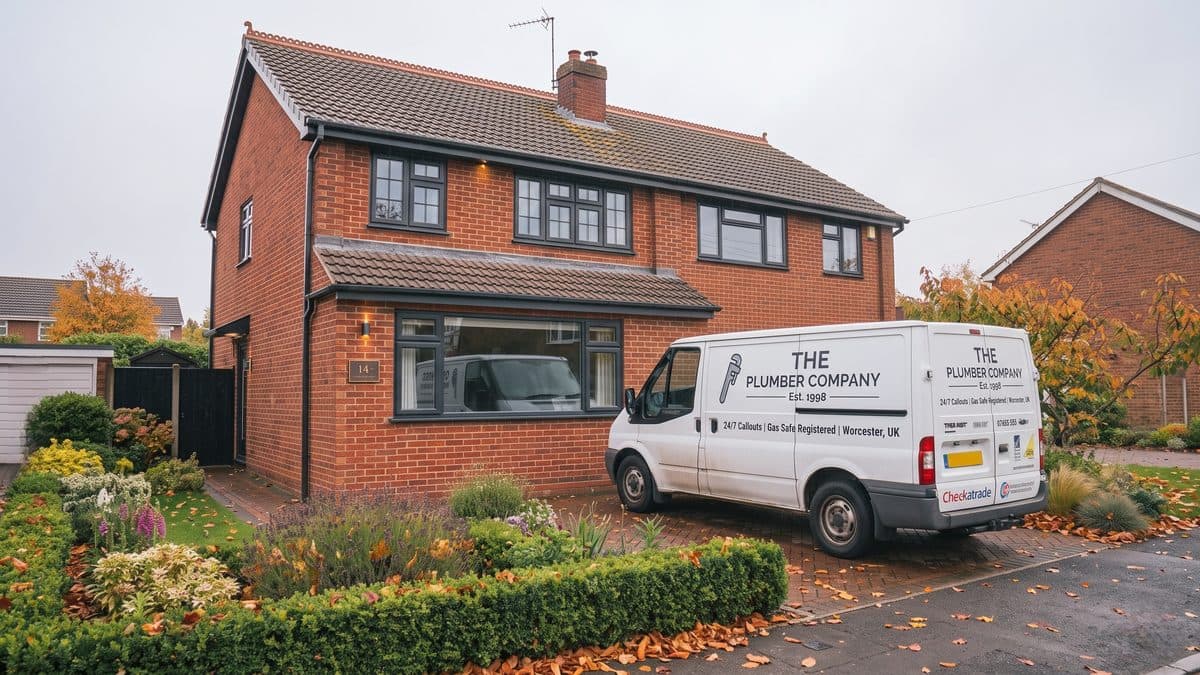
The first viewing of a house is almost entirely emotional. You are looking at the layout, admiring the decor, and imagining where your family will spend time. But the second viewing is where emotion must stop and business must begin. This is your critical window to transition from a casual observer to an analytical investigator, looking for the underlying realities that could cost you down the line.
The physical inspection checklist
When walking through the property for the second time, look past the furniture and staging. You need to inspect the structural touchpoints that a standard viewing ignores. Check the water pressure by turning on taps upstairs. Look closely at the ceilings and corners for signs of fresh painting, which can sometimes be used to temporarily mask historical damp or water ingress. Open and close windows to ensure the frames aren't warped, and check the consumer unit to see if the electrical wiring appears modern or decades old.
The hidden digital checklist
While a physical walkthrough is vital, some of the most expensive property issues are completely invisible to the naked eye. You need to cross-reference what you see in person with independent public background records:
The EPC specifications
Look at the exact breakdown of the wall construction and glazing type. Single-glazed windows or uninsulated solid cavity walls mean high utility bills and immediate upgrade requirements.
Neighbourhood environmental risks
A pristine garden can look beautiful on a sunny afternoon, but official Environment Agency maps might reveal that the property sits directly within a surface water or river flood risk pocket.
Digital infrastructure connectivity
Check the local Ofcom data for the exact broadband speeds and mobile signal coverage. A house that looks perfect but sits in a mobile dead zone or can only access basic copper broadband will severely disrupt modern remote work routines.
Trust but verify
Use your second viewing to ask direct questions, but always verify the answers against official independent datasets. If an agent tells you the area is quiet or that utility bills are low, check the local crime trends, EPC lodgements, and local council tax bands yourself. Gathering these factual insights before you bid ensures you are walking into a major transaction with total clarity.